
The 2026 Checklist: How to Find Truly Affordable Eco Friendly Products That Last
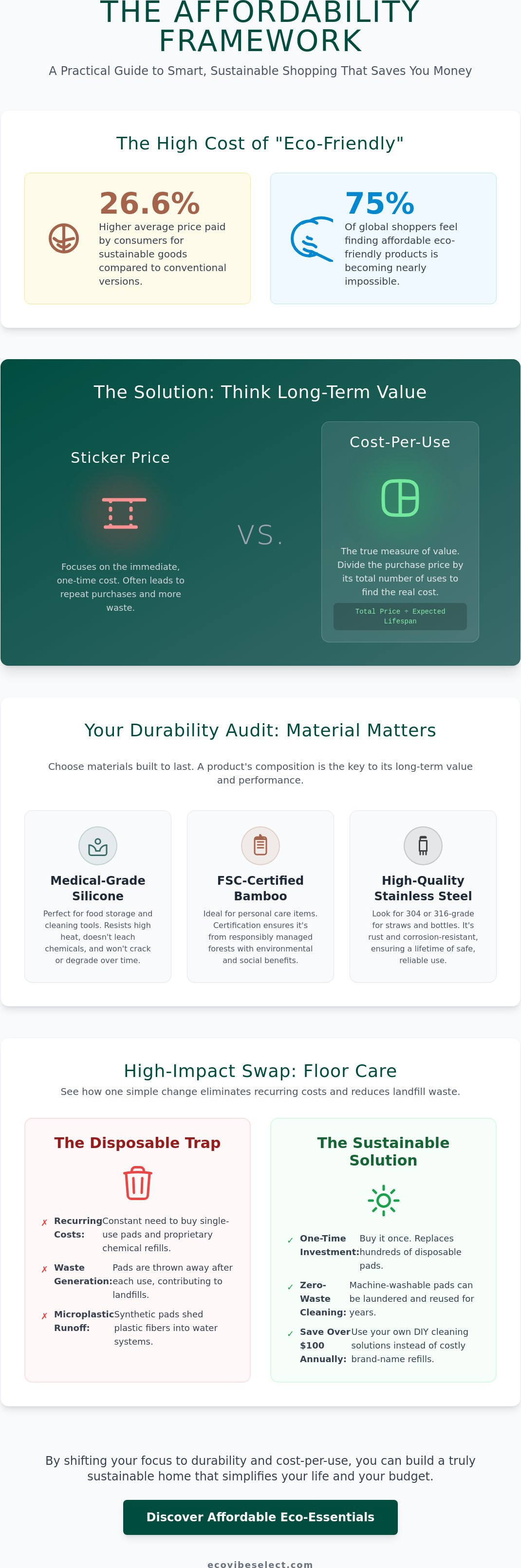
In 2024, data showed that consumers paid a 26.6% higher price for sustainable goods compared to conventional versions. It's a statistic that explains why 75% of global shoppers now feel that finding affordable eco friendly products is becoming nearly impossible. You likely want to reduce your plastic waste, but the "green premium" often makes it feel like an unreachable luxury. It's even more frustrating when those pricier items underperform or break sooner than the disposables they were meant to replace.
We believe that sustainability should simplify your life rather than complicate your budget. This guide offers a practical framework for identifying goods that prioritize durability and long-term value. You'll learn how to use new 2026 regulations, like the Green Claims Directive and Digital Product Passports, to spot genuine quality and avoid greenwashing. We're going to show you how to choose reliable essentials, from reusable silicone food storage bags to a sturdy eco-friendly reusable spray mop, that lower your household expenses and give you confidence that your purchases are actually helping the planet.
Key Takeaways
- Shift your focus from sticker price to cost-per-use to identify truly affordable eco friendly products that fit your budget.
- Conduct a durability audit to understand why materials like silicone and stainless steel outperform bioplastics in a long-term household.
- Master high-impact swaps in floor care and kitchen storage to eliminate the recurring expense of disposable pads and bags.
- Create a compact, zero-waste travel kit that avoids the hidden financial and environmental costs of convenience items.
- Apply a practical framework to vet everyday essentials, ensuring every purchase contributes to a simpler, plastic-free home environment.
The Affordability Framework: A Checklist for Smart Eco-Conscious Shopping
Most shoppers make the mistake of comparing prices at the checkout counter. While the sticker price is what leaves your bank account today, it rarely tells the whole story of what a product actually costs. To find truly affordable eco friendly products, you need to look at the calendar, not just the tag. This framework helps you identify items that serve your home for years instead of weeks.
Calculating Your Long-Term Savings
Cost-per-use is defined as the total purchase price divided by the product's expected lifespan or total number of uses. It's the most accurate way to measure value in a modern, sustainable home. For instance, consider the humble kitchen sponge. You might buy 50 disposable sponges over a year, creating a recurring monthly expense and a steady stream of waste. Replacing them with a single durable silicone scrubber or a high-quality reusable cloth eliminates that line item from your grocery list entirely. Over a two-year period, the reusable option often costs a fraction of the disposable alternative. Reusable products turn recurring expenses into one-time investments, freeing up your monthly budget for other priorities.
Material Matters: What to Look For
The durability of your purchase depends heavily on its material composition. Many products marketed as "green" use flimsy bioplastics that break under pressure or degrade quickly in heat. A proper durability audit favors materials that can withstand daily rigors. Use this checklist to vet your next purchase:
- Medical-Grade Silicone: Look for this in food storage and cleaning tools. It offers high heat resistance and won't leach chemicals or crack over time.
- FSC-Certified Bamboo: This is ideal for personal care items like toothbrushes. The certification ensures the material comes from responsibly managed forests that provide environmental and social benefits.
- High-Quality Stainless Steel: Choose 304 or 316-grade steel for items like straws or water bottles. These grades are resistant to rust and corrosion, ensuring the product remains functional for a lifetime.
Avoiding Greenwashing Traps
Vague marketing terms like "natural" or "eco-conscious" often hide a lack of substance. These labels can lead you to spend extra money on products that aren't actually better for the planet. Genuine sustainable products will clearly state their certifications and material origins. Use the "5-second rule" for disposal: if you can't determine exactly how to dispose of an item safely in five seconds, it's likely a greenwashing trap. Truly sustainable items have a clear end-of-life path, whether they're backyard compostable or infinitely recyclable. If a product requires a specialized industrial facility that doesn't exist in your area, it's not a practical solution for your home.
Kitchen & Floor Care Checklist: High-Impact Swaps for Every Home
The floor is often the best place to begin your zero-waste journey because of the sheer volume of disposables used in traditional cleaning. Many standard mops rely on single-use pads and proprietary chemical refills that create a cycle of waste and recurring costs. By switching to a high-quality reusable spray mop, you break this cycle immediately. This is a practical example of how affordable eco friendly products can reduce your long-term household expenses.
The Sustainable Floor Care Routine
When evaluating a mop, check if it features machine-washable pads and a refillable tank. Microfiber or cotton pads can be laundered hundreds of times, replacing the need for bulk boxes of synthetic disposables that end up in landfills. Additionally, a refillable tank allows you to use your own DIY cleaning solutions. Using a simple mixture of water, vinegar, and a few drops of essential oil can save a household over $100 annually compared to buying brand-name chemical refills. This transition ensures you aren't paying a "green premium" for basic home maintenance.
Beyond the financial savings, choosing the right tools helps reduce microplastic runoff. Many disposable pads and synthetic sponges shed tiny plastic fibers into our water systems during use. Opting for durable, long-lasting materials is a smart design choice for a healthier home environment. If you're looking to simplify your routine, our Eco-Friendly Reusable Spray Mop offers a steady, dependable solution that prioritizes substance over flashiness.
Zero-Waste Kitchen Storage Essentials
Kitchen storage is another area where "sticker price" often tricks consumers. While a roll of plastic wrap is cheap today, it's a dead-end expense that requires constant replacement. Transitioning to reusable silicone food storage bags offers a superior seal and endless utility. Use this checklist to evaluate your kitchen swaps:
- Freezer-Safe Silicone: This is non-negotiable for meal prep. Medical-grade silicone remains flexible and airtight even in sub-zero temperatures, preventing freezer burn and saving money on wasted food.
- Stainless Steel Straw Set: These offer a lifetime of use. They far outlast paper versions that degrade in liquid or plastic versions that contribute to pollution.
- Refillable Cleaning: Look for concentrated affordable eco friendly products like laundry detergent sheets that eliminate bulky plastic jugs and reduce shipping emissions.
By focusing on these high-utility items, you create an organized and prepared home. These choices reflect a "less is more" philosophy, allowing you to invest in quality once rather than buying disposables forever.
Personal Care & Travel Checklist: Sustainable Living on the Move
Travel often forces us into a cycle of convenience-based spending. Single-use coffee cups, travel-sized plastic toiletries, and bottled water create a hidden financial drain on your daily commute or vacation budget. Investing in affordable eco friendly products designed for life on the move stops this leakage. It's about being prepared and organized so you never have to buy a plastic alternative out of necessity. These small, manageable choices turn your daily transit into a more mindful, intentional experience.
The Commuter’s Sustainability Kit
Portability is the cornerstone of a successful zero-waste kit. If a product is too bulky or prone to leaking, it stays in the cupboard instead of your bag. A high-quality collapsible silicone travel cup is an essential tool for the modern commuter. Use this checklist to evaluate your travel drinkware:
- Leak-proof design: This is the primary factor in product longevity. A cup that spills coffee in your bag is a cup you'll eventually replace with a disposable one.
- BPA-free materials: Ensure the silicone is food-grade and heat-stable. This is critical for any product that comes into contact with hot liquids.
- Compact footprint: Smart design allows your gear to collapse to fit into a jacket pocket or small tote.
Bathroom Swaps for Beginners
The bathroom is a major source of household plastic, but simple swaps can reduce waste significantly. Transitioning to a biodegradable bamboo toothbrush is one of the easiest changes you can make. The handle is made from FSC-certified bamboo, which is a rapidly renewable resource. To dispose of it correctly, snap off the head or remove the bristles with pliers before composting the handle. This ensures the material returns to the earth rather than sitting in a landfill for centuries.
Laundry care also benefits from a "less is more" approach. Traditional liquid detergents come in heavy, non-recyclable plastic jugs that are mostly water. Switching to eco-friendly laundry detergent sheets eliminates this waste entirely. These sheets are lightweight, pre-measured, and perfect for travel or small apartments. When evaluating sheets, look for high cleaning power that works in cold water to save on energy costs. These affordable eco friendly products simplify your routine while protecting your budget and the planet. By choosing well-vetted solutions for travel and personal care, you become a thoughtful curator of your own environment.
Pet Care Checklist: Reducing Your Furry Friend’s Environmental Pawprint
Pet ownership often brings unexpected waste. From the endless rolls of sticky tape used to clean the sofa to the plastic-heavy toys that break within a week, the environmental impact adds up quickly. Applying the cost-per-use logic we established earlier is particularly effective here. By choosing affordable eco friendly products for your pets, you reduce the recurring "subscription" to disposable cleaning supplies while maintaining a hair-free home.
The Reusable Fur Removal Checklist
Traditional lint rollers are a significant financial and environmental drain. A single pet owner can easily go through 12 sticky lint roller refills in a year, creating a steady stream of non-recyclable paper and adhesive waste. A mechanical hair removal tool is a much smarter investment. Mechanical hair removal beats adhesive-based rollers because it relies on physical friction to lift fur rather than chemicals that lose their grip. Use this checklist to evaluate a reusable tool:
- Surface Versatility: Does the tool work effectively on your couch, car upholstery, and bedding?
- Maintenance Ease: Is there a built-in compartment to collect hair, or does it require manual cleaning after every pass?
- Build Quality: Is the handle designed for daily use without snapping under pressure?
Simplify your cleaning routine and stop buying refills by choosing our Reusable Pet Hair Remover.
Eco-Friendly Pet Maintenance
Pet maintenance extends beyond cleaning to the very items your pets interact with daily. Many traditional pet beds are stuffed with synthetic poly-fill that eventually breaks down into microplastics. Choosing natural fibers like hemp, organic cotton, or jute for beds and accessories ensures your home remains a healthy, plastic-free environment. These materials are often more breathable and durable than their plastic counterparts.
Integrating pet care into your broader zero-waste strategy involves looking for grooming tools that prioritize substance over flashiness. High-quality brushes and combs made from stainless steel or bamboo can last for the entire life of your pet. This approach aligns with the 2026 trend toward product durability and repairability, helping you avoid the "green premium" while caring for your furry companion. When you prioritize smart design and essential utility, you create a more organized and prepared household for everyone.
The Ecovibe Select Standard: Curated Affordability for 2026
Identifying affordable eco friendly products shouldn't feel like a full-time job or a strain on your monthly budget. We've developed a vetting process that filters out the "green premium" by focusing on substance and long-term utility. Our "Smart Essential" philosophy means we only curate items that solve a specific waste problem while surviving years of daily use. This approach ensures you're not just buying a product; you're investing in a more organized, prepared, and intentional lifestyle.
Why Our Curation Saves You Money
Our selection process prioritizes multi-use tools that replace entire categories of disposables. For example, a single reusable spray mop eliminates the need for a lifetime of synthetic pads and proprietary chemical refills. We focus heavily on material integrity, choosing medical-grade silicone and high-quality stainless steel because they don't degrade like cheaper bioplastics. This durability is the key to true affordability. When a product lasts for years, its cost-per-use drops to nearly zero. We invite you to browse our curated selection of home essentials to see how smart design meets essential utility.
Our commitment to your home extends to how your order arrives. We utilize plastic-free shipping and work to reduce the logistics impact of every delivery. As new 2026 regulations like the EU Packaging & Packaging Waste Regulation (PPWR) take effect on August 12, 2026, we're already exceeding those standards. We believe that being a reliable source of well-vetted solutions means taking responsibility for the entire product lifecycle, from our warehouse to your front door.
Join the Conscious Living Movement
Sustainability is a practice of small, manageable choices rather than a pursuit of "perfect" zero-waste living. It's about being a thoughtful curator of your own environment. By choosing items like biodegradable bamboo toothbrushes or eco-friendly laundry detergent sheets, you simplify your life without sacrificing quality or functionality. Staying updated on new affordable eco-friendly innovations allows you to refine your home at your own pace, moving toward a "less is more" philosophy that benefits both your bank account and the planet.
Your First Three Steps Toward an Affordable Eco-Friendly Home:
- Audit your waste: Identify the one disposable item you buy most frequently, such as plastic storage bags or floor pads.
- Invest in one "Smart Essential": Replace that recurring expense with a durable, reusable alternative like a silicone bag or a reusable mop.
- Apply the math: Before your next purchase, divide the price by how many times you expect to use the item to find its true value.
Start your sustainable journey with Ecovibe Select today.
Start Your Mindful Living Journey Today
Transitioning to a more sustainable lifestyle doesn't require an overhaul of your entire home overnight. By applying the cost-per-use framework and focusing on high-impact everyday swaps, you can build a home environment that is both organized and budget-conscious. Remember that choosing affordable eco friendly products is an investment in durability. It's about moving away from the cycle of disposables toward a "less is more" philosophy that prioritizes quality and essential utility over temporary convenience.
At Ecovibe Select, we've done the heavy lifting for you. Our collection is curated for durability and value, ensuring every item meets the high standards of a modern, eco-conscious household. We offer 100% plastic-free shipping options to ensure your journey toward a simpler life starts on the right foot. Shop Smart Essentials at Ecovibe Select and discover how small, manageable choices lead to significant long-term impact. You have the tools to create a home that reflects your values; we're just here to help you find them.
Frequently Asked Questions
What are the most affordable eco-friendly products for beginners?
Beginners should focus on high-utility items with a low entry price, such as biodegradable bamboo toothbrushes or laundry detergent sheets. These affordable eco friendly products replace daily essentials that usually come in plastic packaging. By starting with these small swaps, you can see immediate waste reduction without a significant upfront investment. It's a practical way to build momentum in your zero-waste journey while keeping your budget intact.
How do I know if a sustainable product is actually worth the investment?
A product is worth the investment if its cost-per-use is lower than the disposable alternative over its expected lifespan. Look for high-quality material descriptors like medical-grade silicone or 304-grade stainless steel. These materials ensure the item won't degrade or leach chemicals. Checking for third-party certifications like FSC for wood or GOTS for textiles provides additional confidence that the product meets strict environmental and social standards.
Are reusable products really cheaper than disposables in the long run?
Reusable products are significantly cheaper because they turn recurring monthly expenses into one-time investments. While the initial sticker price might be higher, you stop paying for refills, proprietary chemicals, or single-use packaging. For example, using a reusable spray mop with washable pads replaces the constant need for boxes of synthetic disposable sheets. Over a year, these savings often add up to hundreds of dollars in saved household expenses.
What materials should I look for in affordable zero-waste products?
Focus on medical-grade silicone, stainless steel, and FSC-certified bamboo. Silicone is ideal for heat-resistant food storage, while stainless steel offers a lifetime of use for straws and containers. Bamboo is a rapidly renewable resource perfect for personal care items. These materials provide the best durability for affordable eco friendly products, ensuring you don't have to replace them frequently due to breakage, wear, or material fatigue.
How can I avoid greenwashing when shopping for eco-friendly goods?
Avoid greenwashing by looking for specific, verifiable claims rather than vague marketing terms like "natural" or "eco-conscious." Under the 2026 Green Claims Directive, brands must provide evidence for their environmental statements. Use the "5-second rule" for disposal: if you can't quickly determine how to compost or recycle the item, it's likely a marketing trap. Genuine sustainable goods will be transparent about their materials, manufacturing, and end-of-life disposal path.
Can I find affordable eco-friendly products for my pets?
You can certainly find budget-friendly options for pets, such as a reusable pet hair remover. This tool replaces the need for endless rolls of sticky adhesive tape, which is both a financial and environmental drain. Choosing durable grooming tools and toys made from natural fibers like hemp or jute also reduces waste. These choices ensure your pet's daily routine fits into your broader zero-waste home strategy without adding unnecessary costs.
What is the best alternative to a Swiffer for eco-friendly floor cleaning?
A reusable spray mop with a refillable tank and machine-washable pads is the most effective alternative. This setup allows you to use your own DIY cleaning solutions, such as water and vinegar, instead of buying expensive proprietary chemical refills. The washable pads can be laundered hundreds of times, eliminating the waste and cost associated with disposable floor sheets. It's a steady, dependable solution for a cleaner, plastic-free home environment.